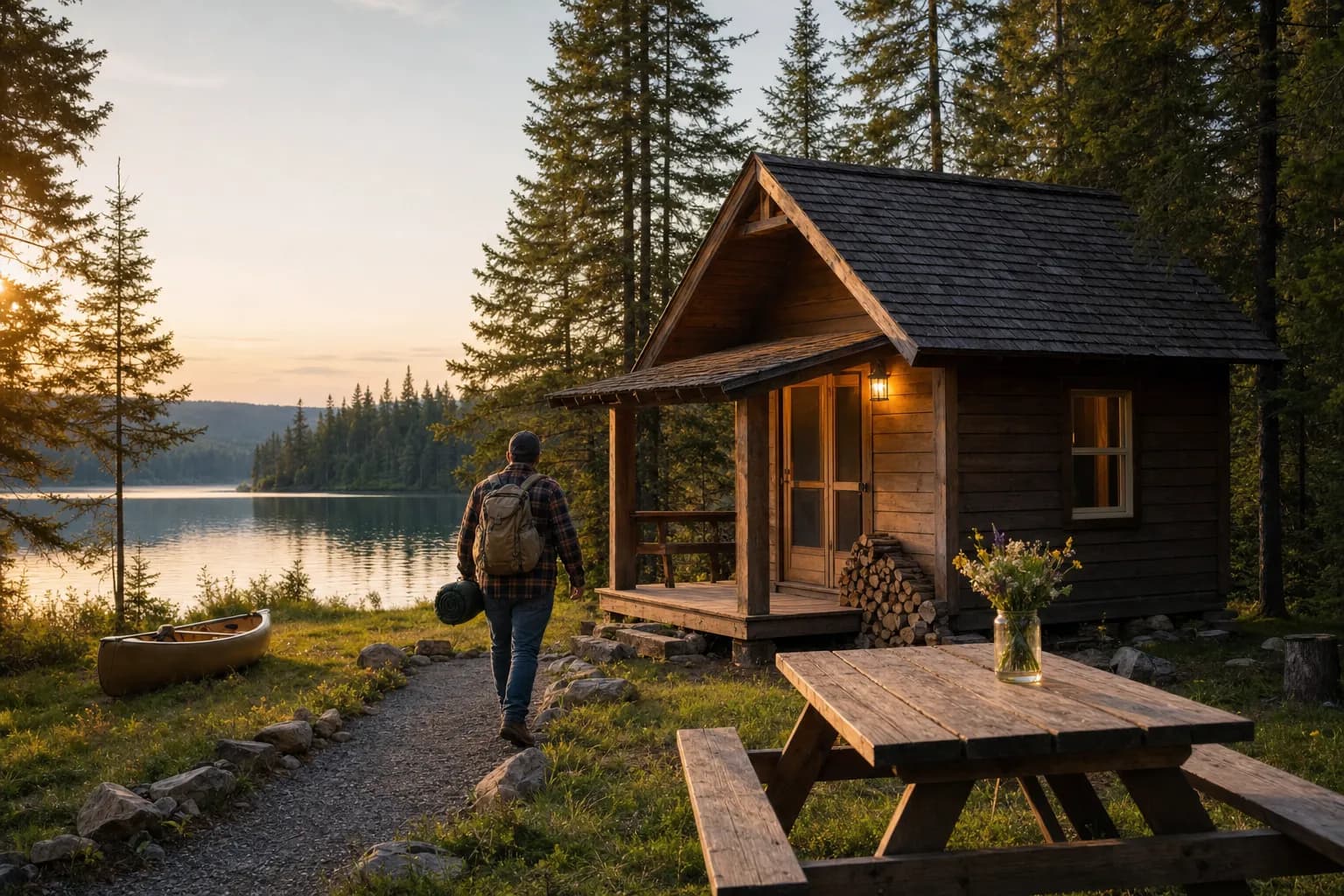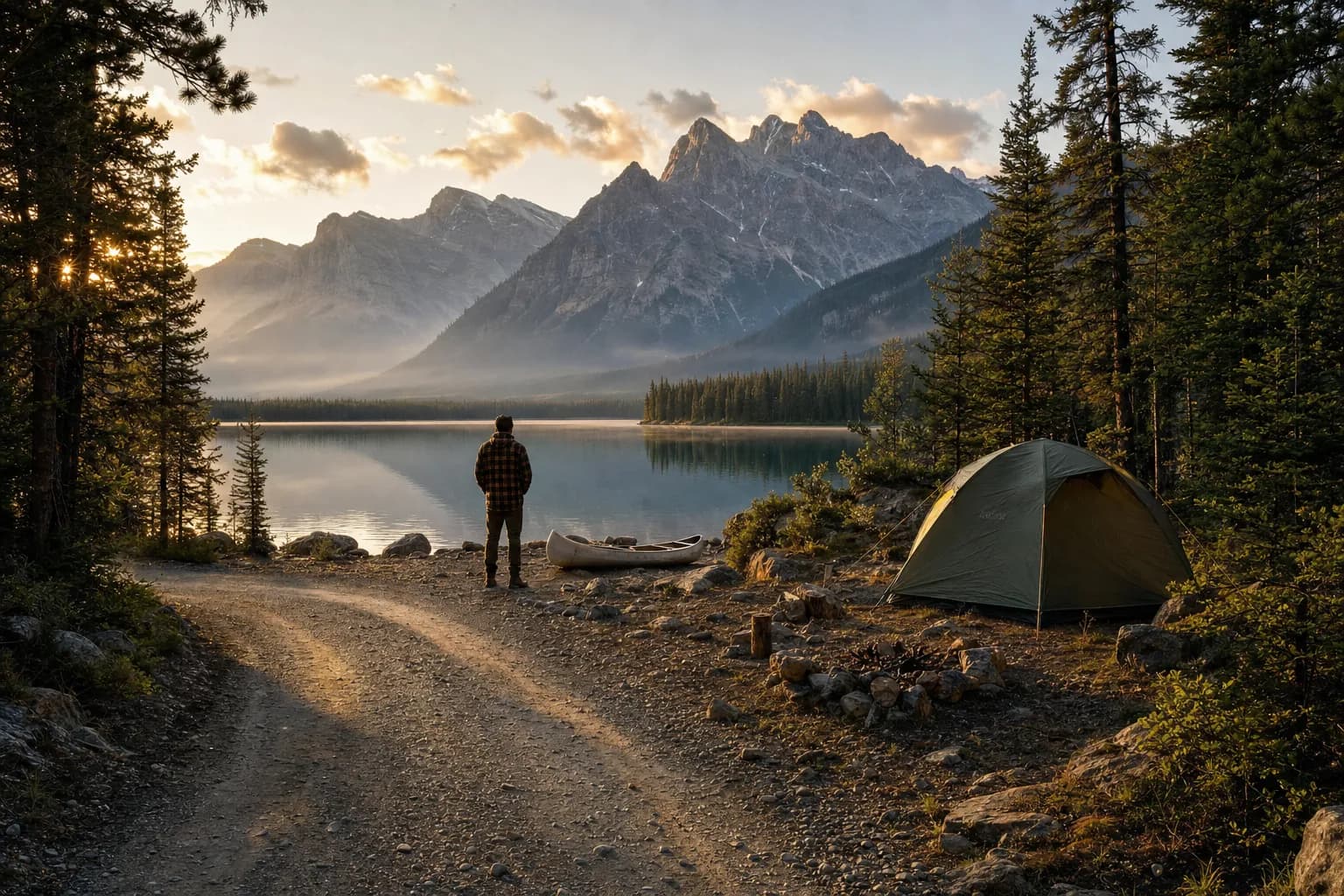
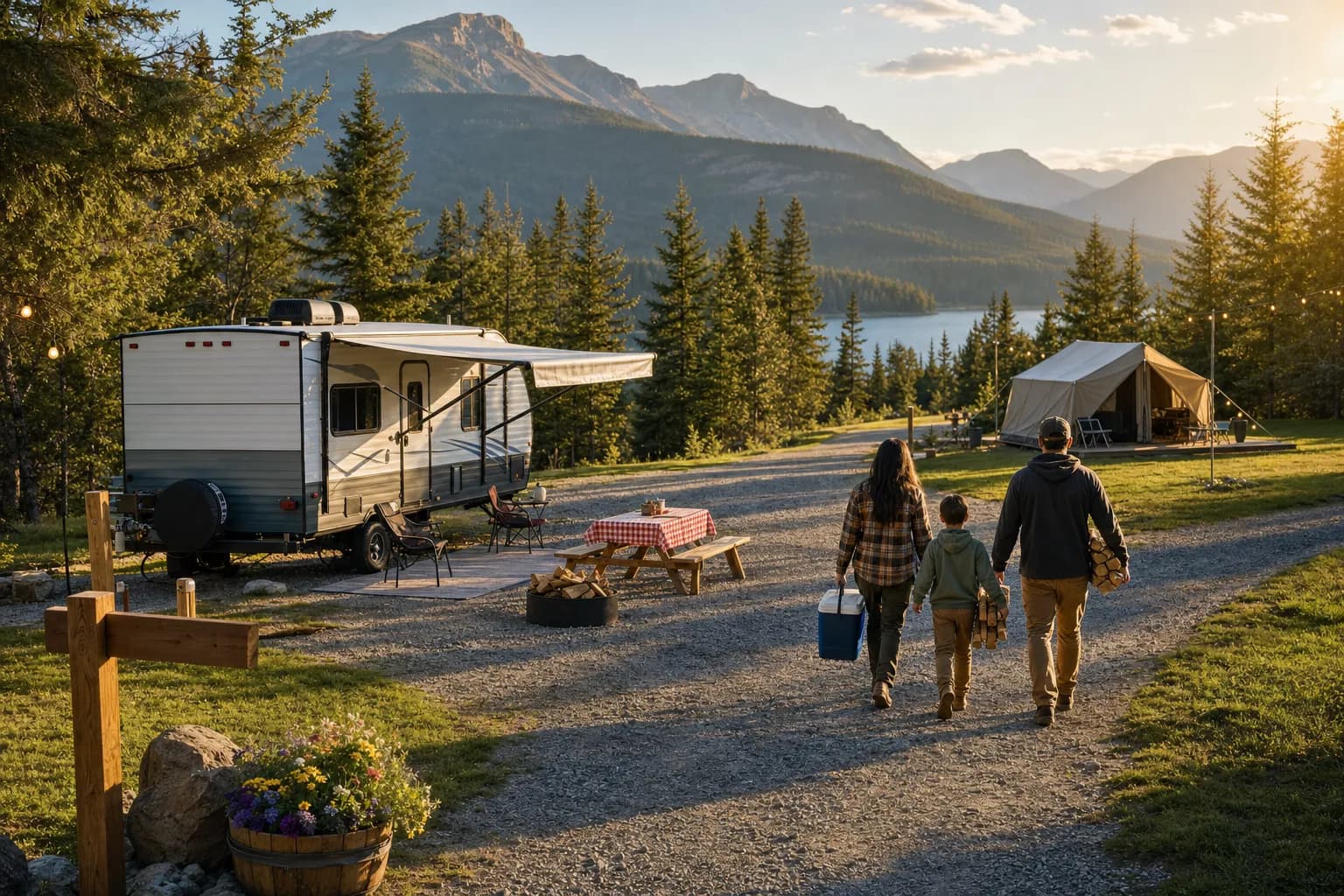
Private Camping in British Columbia: What Makes It Different
Private camping in British Columbia means staying at a campground or RV park owned and operated by a company or family, rather than by BC Parks, Parks Canada or a regional district. That distinction matters more than it sounds like it should. Private campgrounds set their own rates, build their own amenities, and decide their own booking rules — which usually means more flexibility and more creature comforts than you'll find at a provincial or national park campground.
If you've ever tried to book a site at a popular spot like Okanagan Lake or Golden Ears during the first minute of the reservation window and watched it vanish, you know the appeal of a private alternative. Provincial park camping in BC runs on a government reservation system with a fixed booking window, and demand for peak summer weekends — especially near towns like Kelowna, Penticton, or Whistler — far outstrips supply. Private campgrounds don't play by those rules. Many take bookings months out, some accept walk-ins, and a fair number will hold a site for you over the phone if you call ahead.
Amenities are the other big difference. Provincial and national park campgrounds tend to keep things rustic — pit toilets, no hookups, maybe a hand pump for water. Private RV parks in BC are built for a different kind of camper: think full hookups (water, sewer, 30/50-amp electrical), laundry facilities, Wi-Fi, hot showers, and sometimes a pool or playground. If you're travelling with a larger RV or fifth-wheel, private parks are often the only option with pull-through sites long enough to accommodate you comfortably.
That said, private camping isn't automatically "better" — it's just different. You're trading some of the wilderness feel and lower nightly fees of a provincial park for convenience, services, and booking certainty. A lot of BC campers mix both: a few nights backcountry or at a quiet provincial site, then a private RV park near town to do laundry, refill propane, and get a proper shower before heading back out.
We cover specific recommendations in our guide to Best BC Camping Spots: Private Campgrounds & Hidden Gems, and if you're still deciding between park types, How to Find the Best Campgrounds Near You in Canada is a good place to start. For the latest on conditions before you go, check BC Parks fire ban notices and current regional restrictions.
Amenities & Site Types at Private BC Campgrounds and RV Parks
Private camping in British Columbia usually means more on-site comforts than you'll find at a provincial park — think full hookups, hot showers, laundry machines, and sometimes a pool or hot tub. Amenities vary widely from one RV park to the next, but knowing what's typically available helps you pick a site that actually fits your rig and your trip, rather than guessing and hoping for the best.
Hookups are the big differentiator. Most private campgrounds offer a mix of:
- Full hookups (water, sewer, 30/50-amp electrical) — common in RV resorts near Kelowna, Penticton, and along the Trans-Canada corridor
- Partial hookups (electrical and water only)
- Non-electrical or "dry" sites, usually priced lower and tucked into treed areas away from the main loop
If you're running air conditioning or multiple appliances, ask specifically about 50-amp availability — not every park has it, and older parks may only offer 30-amp or 15-amp service on certain loops.
Pull-through vs. back-in sites matters more than new RVers expect. Pull-through sites let you drive in and out without reversing — handy if you're towing a trailer and not confident backing up, or if you're only staying one night. Back-in sites are often more private, sometimes cheaper, and tend to back onto a treeline or water view. If backing up stresses you out, call ahead and request a pull-through by site number rather than hoping the reservation system sorts it for you.
Common amenities to ask about:
- Washroom and shower buildings (quality and hours vary a lot between parks)
- Coin or card laundry facilities
- Wi-Fi (often limited to the main building, not every site)
- Pools, hot tubs, or splash pads — a nice bonus for family trips in summer
- Dog-friendly areas or off-leash sections
- Fire pits and picnic tables (not universal — some parks restrict fires during dry spells, so check BC Wildfire Service's current fire ban notices before you count on an evening campfire)
A quick tip: amenities listed on a park's website don't always reflect what's open off-season. Pools and laundry rooms sometimes close in shoulder season to save on staffing, so if you're booking a September or May stay, confirm directly with the campground what's actually running.
How to Book a Private Campground or RV Park in BC
Booking private camping in British Columbia works differently than booking a provincial park site, and that trips up a lot of first-timers. There's no single reservation system covering every private campground in the province. Instead, each RV park or private campground handles its own bookings, which means you'll be dealing with individual websites, phone calls, and occasionally third-party platforms depending on where you're headed.
Direct website booking is the most common route, especially for larger RV resorts near Kelowna, Osoyoos, and Tofino. Most have an online reservation system where you pick your site type, dates, and rig length. Smaller, family-run campgrounds — think a 20-site place along a lake near Nelson — often don't have fancy booking software. You'll email or call, and someone will confirm your site over the phone. It's a bit old-school, but it works, and you often get better info about site conditions this way than from a dropdown menu.
Phone reservations are worth doing even when online booking exists, particularly if you have specific needs: a pull-through site for a longer trailer, a pet-friendly spot, or a site near the washroom for a family with young kids. A quick call can save you from showing up to a site that doesn't actually suit your setup.
Third-party platforms do list some private BC campgrounds, but availability and pricing aren't always current. We recommend booking directly with the campground whenever possible — you'll get accurate information and a direct line if plans change.
A few practical things to nail down before you pay:
- Deposits — Many private campgrounds require a deposit (often one night's fee or a percentage) to hold your site, charged at time of booking.
- Cancellation policies — These vary widely. Some offer full refunds up to a week out; others charge a fee or don't refund at all inside 48 hours. Always read the fine print.
- Peak weekend booking windows — For long weekends (Canada Day, BC Day, Labour Day) and July–August generally, book 2–3 months ahead for popular Okanagan and Vancouver Island locations. Shoulder season (May, June, September) usually allows more flexibility.
Before finalizing any trip, check Environment and Climate Change Canada's weather forecasts and BC Wildfire Service updates for current conditions, since fire bans can affect campfire privileges even at private campgrounds.
Best Regions for Private Camping in BC
British Columbia is a big province, and where you camp changes the whole trip. Private camping in British Columbia is concentrated in a handful of regions where demand (and scenery) are highest — the Okanagan, Vancouver Island, the Kootenays, the Fraser Valley and the Sea-to-Sky corridor. Each has its own flavour, from lakeside RV resorts to forested sites tucked against mountain trailheads. Knowing the region helps you narrow down which private campground or RV park actually fits your trip, rather than scrolling endlessly through listings.
Okanagan. This is wine-and-beach country, and private campgrounds here lean into it — full hookups, pools, and sites close to town in Kelowna, Penticton and Vernon. Summer weekends book out fast, so if you're eyeing July or August, start calling or booking online months ahead.
Vancouver Island. From Nanaimo to Tofino, private campgrounds on the Island range from quiet forest sites to oceanfront RV resorts with full services. Shoulder season (May, June, September) here is a sweet spot — fewer crowds, milder weather, and easier last-minute bookings.
Kootenays. Expect a slower pace and smaller, family-run operations around Nelson, Fernie and Revelstoke. Many private sites here are seasonal, closing by early fall, so double-check operating dates before you plan a late trip.
Fraser Valley. Handy if you're based near Vancouver or passing through on the way east. Private RV parks around Chilliwack and Hope tend to be practical rather than flashy — good for an overnight stop or a base for day trips.
Sea-to-Sky corridor. Between Squamish and Whistler, private camping options are limited but well-located for hiking, biking and climbing access. Book well ahead for summer — sites here go quickly given the proximity to Vancouver.
| Region | Known For | Best Season |
|---|---|---|
| Okanagan | Lakeside resorts, full hookups | Summer (book early) |
| Vancouver Island | Coastal and forest sites | Shoulder season |
| Kootenays | Small, seasonal operators | Summer, check close dates |
| Fraser Valley | Convenient stopovers | Spring–fall |
| Sea-to-Sky | Outdoor recreation access | Summer, book ahead |
Wherever you land, check BC Wildfire Service updates before you go — fire bans can affect campfires and even site availability in dry years. For more region-by-region picks, browse the full guides at everythingcamping.ca.
Pricing, Seasons & Special Stays
Private camping in British Columbia doesn't run on a flat rate card, and that surprises a lot of first-time bookers. A dry tenting site in the Kootenays might run you $25-$35 CAD a night, while a full-hookup pull-through on Okanagan Lake in August can push past $80. The gap comes down to a handful of predictable factors, and once you understand them, you can shop smarter instead of guessing.
What actually drives the nightly rate:
- Waterfront or lakeview access — a site 30 metres from the water almost always costs more than the identical site set back in the trees.
- Hookup type — full hookups (water, sewer, 30/50-amp power) sit at the top; electrical-only is mid-range; non-electrical or walk-in tent sites are cheapest.
- Season — July and August long weekends are peak pricing almost everywhere in BC, while May, June and September often carry shoulder-season rates that can be 20-30% lower.
- Rig size — some parks charge more for sites accommodating big rigs (40 feet-plus) because those pads take up more of the property.
- Length of stay — many private parks offer weekly or monthly rates that beat the nightly add-up considerably, which matters if you're planning a slower trip.
Shoulder season is where the deals live. Booking into the Okanagan or the Fraser Valley in late May or mid-September often means lower rates, quieter loops, and a better shot at a last-minute site if your dates are flexible. Just check overnight lows — mountain valleys can still dip close to freezing in late spring.
Winter-open parks are the exception, not the rule, in private BC camping. Some RV parks near Vancouver Island and the Lower Mainland stay open year-round with winterized hookups for snowbirds and full-timers, but frost, closed water lines, and seasonal gate closures are common elsewhere. Always confirm directly with the park before counting on a winter stay — don't assume year-round access.
Family and pet-friendly stays are common at private campgrounds, often with more flexibility than provincial parks around leash rules, campfire hours, and playground access — but policies vary site to site, so ask ahead rather than assume.
Long-stay and big-rig travellers should look specifically for parks advertising monthly sites, 50-amp service, and pull-through pads — these fill fast in peak months.
Before any trip, check BC Parks fire ban notices and local wildfire service updates, since bans affect private land near provincial boundaries too — conditions change fast in summer. For full details, start at everythingcamping.ca.
People Also Ask
What is the difference between private campgrounds and provincial parks in BC?
Private campgrounds are independently owned and operated, so they can offer full hookups, Wi-Fi, laundry and other resort-style extras that most BC Parks sites don't have. Provincial parks, managed through the BC Parks system, tend to focus on natural surroundings with more basic facilities and stricter rules around fires, pets and quiet hours. If you want a serviced site with amenities close to town, private is usually the better fit; if you're after backcountry scenery and lower fees, provincial parks win out.
How do you book a private campground or RV park in British Columbia?
Most private campgrounds and RV parks in BC take bookings directly through their own website or by phone, rather than through a centralized government reservation system. Popular parks near Kelowna, Whistler or the Okanagan Valley can fill up months ahead for July and August long weekends, so it pays to call or book early. Always confirm cancellation policies, minimum stay requirements and check-in times before you pay a deposit.
Are private campgrounds in BC more expensive than BC Parks campsites?
Generally, yes — private campgrounds tend to cost more per night than a basic non-electrical site at a provincial park, mainly because you're paying for hookups, Wi-Fi and extra amenities. That said, pricing varies a lot by region and season, so a serviced site at a private park isn't always pricier than a premium lakefront site at a provincial park. Fees change often, so check directly with the campground for current rates before booking.
Do private RV parks in BC have full hookups and Wi-Fi?
Many private RV parks across BC offer full hookups — water, sewer and electrical — along with Wi-Fi, though not every park offers all three, and service quality (especially Wi-Fi in more remote areas) can be inconsistent. Some smaller or older properties may only have partial hookups, so it's worth checking the site map or calling ahead if full service matters to you. For the latest details on what's included at a specific park, visit everythingcamping.ca.